5 Underrated Cars in India You Should Know About
Often what sells well in India are the usual suspects: Maruti, Hyundai, etc. But there are several cars that bring a lot to the table yet don’t always get the attention or sales they deserve. Here are five of them:
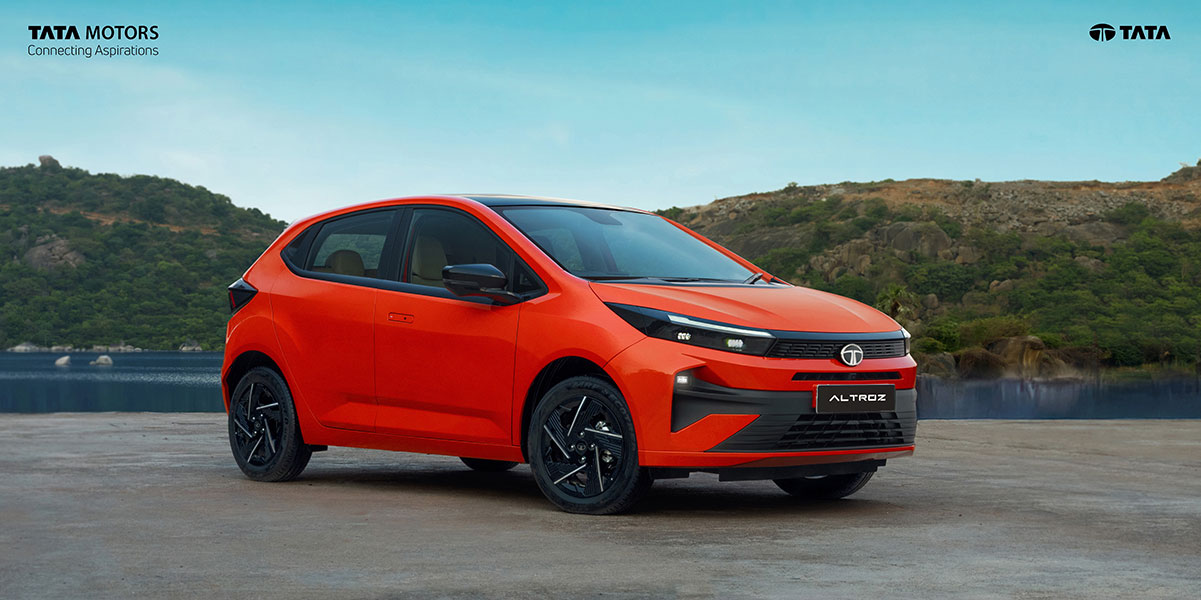
1. Tata Altroz
What makes it good
- The Altroz is one of the safest hatchbacks in India. It has earned a 5-star adult occupant safety rating from Global NCAP.
- Built on Tata’s ALFA architecture, it has a solid structure, and is considered to have good build quality for its segment.
- There’s a variety of engine options (petrol, diesel) and variants, giving buyers flexibility.
Why it’s underrated
- Despite safety and build, it doesn’t always get the same “brand shine” or attention as some of its rivals (Baleno, i20 etc.), especially in terms of marketing or perceived prestige.
- Also, after-sales experience varies. If your service centre isn’t great, that can taint the experience.
Who should consider it
- Buyers who care about safety and build more than flashy badges.
- Someone looking for a premium hatch feel with strong fundamentals.
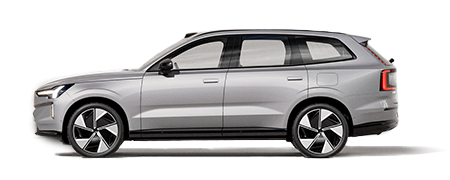
2. Volvo XC90
What makes it good
- Volvo is known for luxury, comfort, and safety, and the XC90 is no exception. The latest facelift brings fresh design touches, new features (multi-zone climate, massage seats, etc.), strong tech & premium finishes.
- It uses a mild-hybrid setup (in India) with AWD, which gives a balance of performance and refinement.
- The overall build quality, ride comfort, features are very strong; it competes with German SUVs in many respects.
Why it’s underrated
- Price is high (around ~₹1 crore +), which puts it in a niche luxury bracket where buyers tend to gravitate to more famous brands (BMW, Mercedes) for the same money.
- Being an import (mostly), servicing, parts, and resale can be more complex (costlier) compared to local brand SUVs.
- Volvo has relatively fewer takers in India compared to Germans, so visibility and “prestige recognition” may lag.
Who should consider it
- Buyers who want luxury, comfort, space (7 seater), and strong safety, and are willing to pay the premium for lower competition and exclusivity.
- Those who frequently do long highway drives and want refinement & tech more than just badge value.
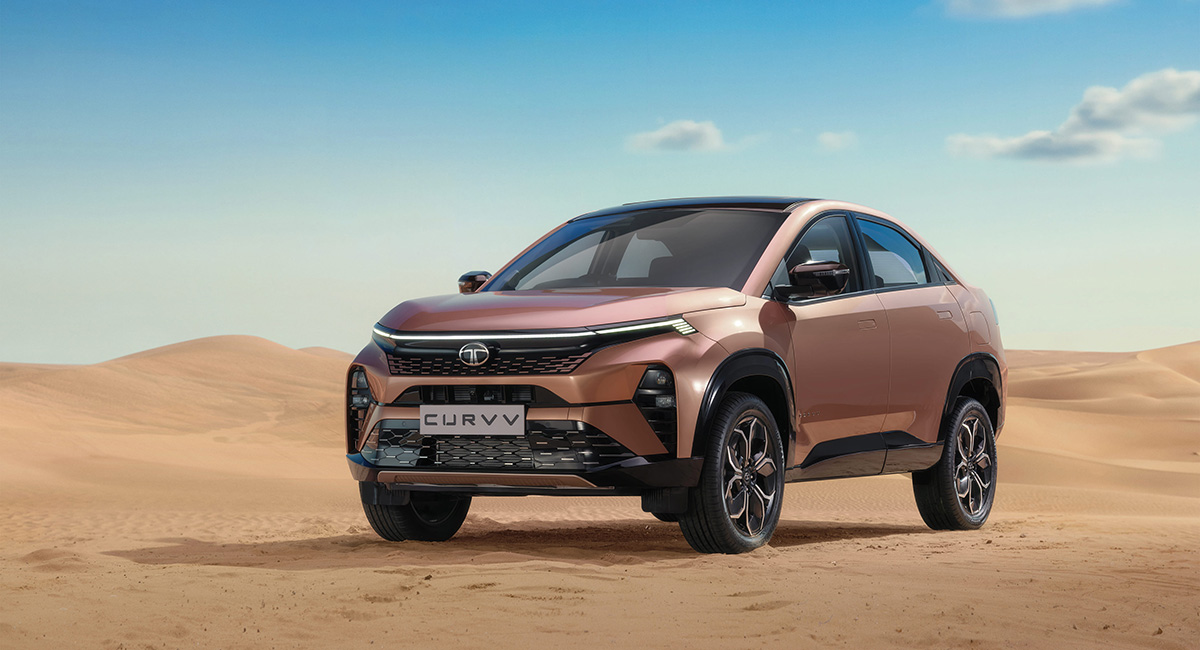
3. Tata Curvv
- It is one of Tata’s newer SUVs, with a bold coupe‑SUV body style that gives a fresh look.
- Offers strong safety and tech: Level 2 ADAS, 360° camera, ventilated front seats, gesture‑controlled tailgate, etc.
- Multiple powertrain options: petrol, diesel, and EV version. This gives choice depending on what a buyer prefers.
Why it’s underrated
- Because it’s new, many potential buyers may not yet trust its long‑term reliability or resale value.
- Coupe‑SUVs are popular, but they often compromise a little on rear‑headroom or practicality. Some buyers may prefer more traditional SUV shapes.
- Pricing also may be on the higher side for some trims, especially when including all the tech.
Who should consider it
- Buyers who want stylish, tech‑rich vehicles, those who like to stand out.
- People who want modern creature comforts with multiple engine/drivetrain choices, and are okay with paying for premium features.
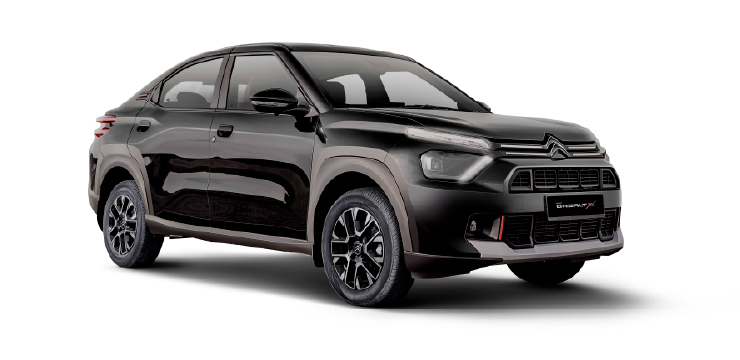
4. Citroën Basalt X
What makes it good
- Recently launched “Basalt X” trim brings in premium features like ventilated seats, ambient lighting, dual‑tone cabin, 360‑degree camera (optional), new dashboard materials etc.
- The price point is attractive: the Basalt X starts at about ₹7.95 lakh (ex‑showroom Delhi) for the base version.
- Safety credentials are solid; six airbags standard, ESP, stability controls, etc.
- Adds novelty in the in‑car tech: intelligent voice assistant (“CARA”) which can do more than just basic voice commands; some of its features are well suited for Indian driving conditions.
Why it’s underrated
- Citroën is still a smaller player in India. Brand perception and service network isn’t as wide as Maruti, Hyundai etc.
- Though it offers good kit, some variants are “feature heavy” killers – meaning features can push price up, and buyers sensitive to cost of ownership may avoid.
- In many minds, the Basalt (and coupe‑SUVs in that range) are competing against more established names; people often default to name recognition more than actual value.
Who should consider it
- Buyers who want a stylish SUV with feel‑good interiors, decent safety, good tech, without paying luxury‑SUV prices.
- Someone who values features and comfort more than simply maximum power or resale value.
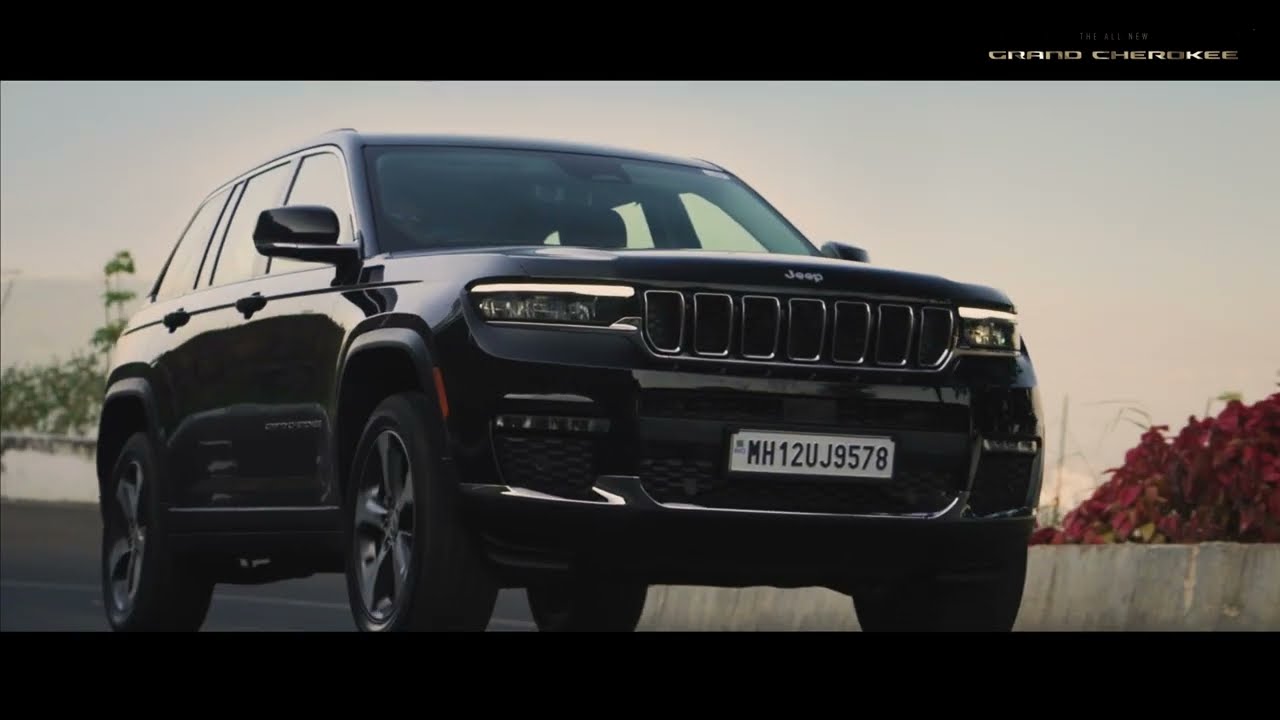
5. Jeep Grand Cherokee
What makes it good
- It’s a proper premium SUV: strong build, off‑road heritage, comfort, engine options, and a presence on road. The Grand Cherokee Signature Edition adds nice touches (motorized side steps, dual rear‑seat entertainment, integrated dash cams) for those wanting something more premium.
- For buyers who want a “safe bet” in terms of offroad capability + luxury, Jeep delivers in many aspects.
Why it’s underrated
- Very high price. Grand Cherokee is expensive in India, meaning limited audience.
- High maintenance / running costs (fuel, parts, service) compared to more mass‑market SUVs.
- Jeep’s service network and brand perception in India is good but still doesn’t match the German luxury ones or the mass‑market ones in maintenance cost efficiency.
Who should consider it
- Buyers who want big SUVs, presence, strong credentials (off‑road, long drives), who can afford the total cost of ownership.
- People valuing comfort, power, prestige, ruggedness more than pure fuel economy.
Final Thoughts
Each of these five cars brings a lot of value. If you factor in safety, features, comfort, individuality, then some of them punch above what many think their price implies. If I were buying today, I might lean towards the Tata Curvv or Citroën Basalt X for a mid‑SUV or Tata Altroz for hatchback safety & value. But the best pick always depends on your budget, after‑sales service in your city, how much you drive (city vs highway), etc.